Remembering a Storyteller of Heroes: The Life and Legacy of Gerry Conway in G.I. Joe
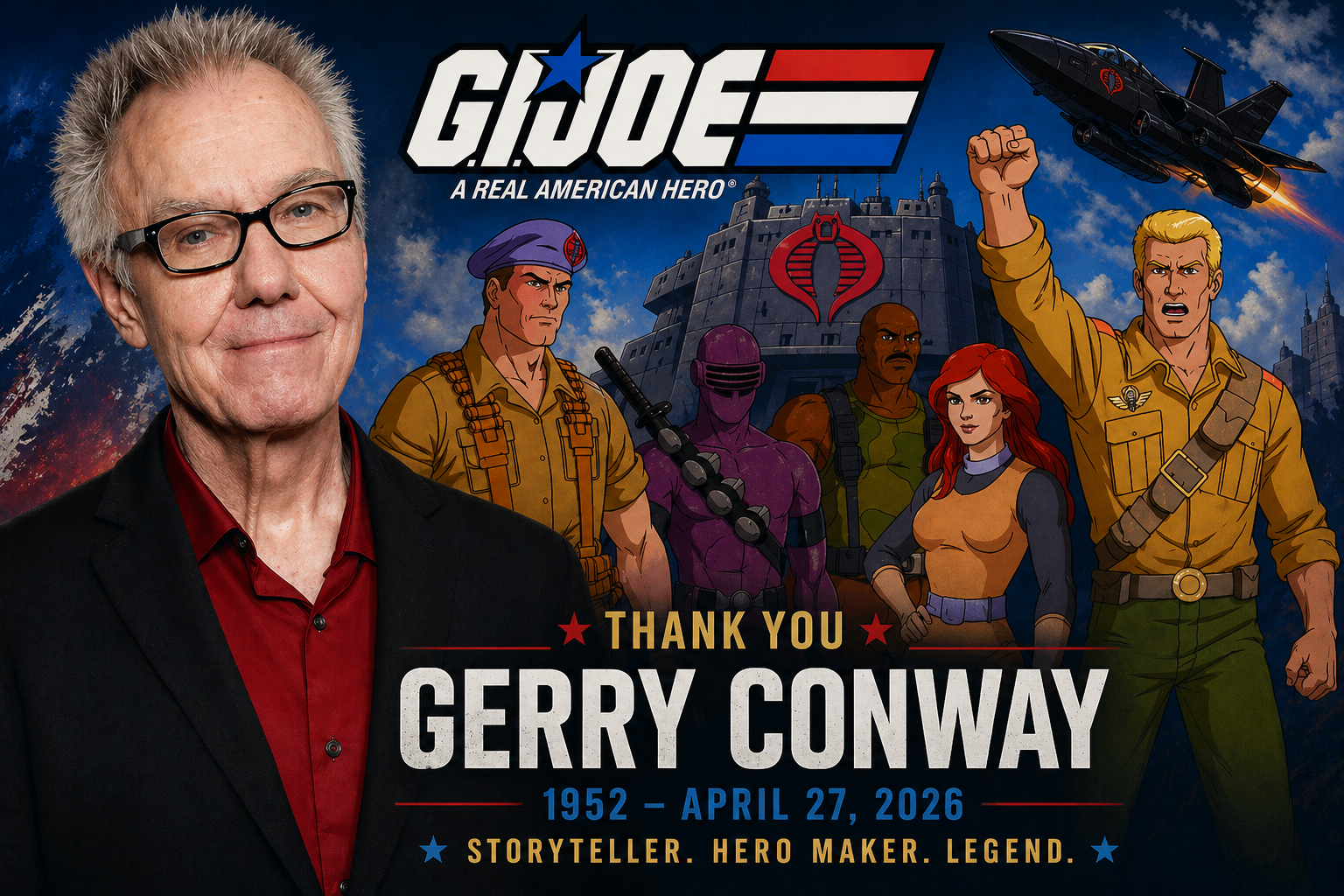
The world of animation and comics has lost a true craftsman with the passing of Gerry Conway—a writer whose imagination helped shape generations of storytelling across television, comics, and beyond. While many fans recognize his legendary contributions to Marvel and DC Comics, including co-creating characters like The Punisher, his work on the G.I. Joe: A Real American Hero cartoon remains a meaningful part of his creative legacy.
Conway’s journey into writing began early. Born in 1952, he broke into the comic book industry as a teenager, quickly making a name for himself with his dynamic storytelling and strong sense of character. By his early twenties, he was already writing major titles like The Amazing Spider-Man, proving he had a rare ability to blend action with emotional depth. That same storytelling instinct would later translate seamlessly into animation.
When Marvel Productions began developing the G.I. Joe animated series in the early 1980s, Conway was brought in as part of a talented writing team tasked with bringing the toy line to life. He contributed to several episodes of the Sunbow-era cartoon, helping define the tone that balanced military adventure with moral lessons. Among the episodes he is credited with are fan-favorite stories like, “Cobra Claws Are Coming to Town” and “Spell of the Siren,” that explored not just battles, but the humanity of the Joes and even their enemies.
A unique aspect of Conway’s work during this period was his collaboration with his wife, Carla Conway. The two often worked together on scripts, blending their perspectives to create richer, more layered stories. Their partnership brought a natural dialogue flow and emotional authenticity that stood out in a show primarily aimed at younger audiences. Together, they crafted narratives that emphasized teamwork, sacrifice, and ethical decision-making—hallmarks of what made the G.I. Joe series memorable.
Conway’s personal experiences also played a role in shaping his writing. Growing up during a time of social and political change in America, he developed a nuanced understanding of conflict, authority, and morality. These themes often surfaced in his G.I. Joe scripts, where battles were rarely just about good versus evil. Instead, episodes frequently explored consequences, responsibility, and the cost of war—even within the framework of a Saturday morning cartoon.
His ability to humanize characters extended to both sides of the conflict. Cobra operatives weren’t always one-dimensional villains, and the Joes themselves were portrayed with distinct personalities and vulnerabilities. This depth helped elevate the series beyond simple action entertainment and gave it lasting appeal.
Gerry Conway’s passing marks the end of an era, but his work continues to resonate. For fans of G.I. Joe, his contributions helped define what the franchise could be at its best: exciting, thoughtful, and grounded in real human emotion. For writers, he remains an example of how to bring sincerity and intelligence to genre storytelling.
As we remember his life, we also celebrate the stories he gave us—stories that continue to inspire, entertain, and remind us that even in animated battles, there is always room for heart.